|
0 members (),
24
guests, and
2
robots. |
|
Key:
Admin,
Global Mod,
Mod
|
|
|
S |
M |
T |
W |
T |
F |
S |
|
|
|
1
|
2
|
3
|
4
|
5
|
|
6
|
7
|
8
|
9
|
10
|
11
|
12
|
|
13
|
14
|
15
|
16
|
17
|
18
|
19
|
|
20
|
21
|
22
|
23
|
24
|
25
|
26
|
|
27
|
28
|
29
|
30
|
|
|
|
|
|
Forums13
Topics7,385
Posts40,939
Members10,040
| |
Most Online3,137
Apr 9th, 2026
|
|
|
|
Joined: Jan 2012
Posts: 909
4 Ever Learning.
|
|
4 Ever Learning.
Joined: Jan 2012
Posts: 909 |
I just looked at a two stop in-line CEMCO dual piston with MCE controls. The shaft walls are block. Water has been coming in for some time. One wall of the shaft is on the outside wall.
My question is "what can we use or do to improve this situation"? Has anyone tried installing PVC drain piping? What if I core 1" holes in the block and run PVC with clean outs to the sump pit? At least it would divert the water to the pump. They say they have replaced it several time in ten years. We are recommending a water level alarm.
Please let me know what has worked for you in the past.
Make good choices,
JKH
|
|
|
|
|
Joined: Mar 2012
Posts: 104
member
|
|
member
Joined: Mar 2012
Posts: 104 |
You can try out this system from SEES Fit Pit water abatement system. www.seesinc.comGood luck
|
|
|
|
|
Joined: Mar 2014
Posts: 215
enthusiast
|
|
enthusiast
Joined: Mar 2014
Posts: 215 |
They make a skimcoat material that seeks out water and crystallizes. Similiar to bentonite, but this goes on with a trowel and has the texture of plaster. I am from the northwest, many new jobs below water tables and this is the most common approach to deal with seeping water.
|
|
|
|
|
Joined: Aug 2011
Posts: 563
addict
|
|
addict
Joined: Aug 2011
Posts: 563 |
I just looked at a two stop in-line CEMCO dual piston with MCE controls. The shaft walls are block. Water has been coming in for some time. One wall of the shaft is on the My question is "what can we use or do to improve this outside wall.
situation"? Has anyone tried installing PVC drain piping? What if I core 1" holes in the block and run PVC with clean outs to the sump pit? At least it would divert the water to the pump. They say they have replaced it several time in ten years. We are recommending a water level alarm.
Please let me know what has worked for you in the past. Hey JKH, this is a common occurrence in our area. If you speak to the building designers, they will say the best way to water proof foundations is to divert the water on the outside away from where you don't want it to go. But sometimes that isn't a perfect solution. So the best way I have done this is, to advise the building managers to get the plumbers to place drainage on the outside of the shaft that diverts the water away as best they can, plus you can add the solution that you plaster the walls inside the pit. As a final solution, it was always a reg that a sump hole of some sort must be in the floor of the pit to enable the use of a sump pump to pump the water out on a float switch. The way you sell it is the water will damage the steel framework, which in tern will damage their investment in the building.
|
|
|
|
|
Joined: Jan 2010
Posts: 671
addict
|
|
addict
Joined: Jan 2010
Posts: 671 |
We commonly find that wet pits that have sump wells the wells are always at the highest point so the water pools away from the well. So the first trick we try is to drill holes in the sides and bottom of the sump wells. This gives the water a -place to drain at the lowest possible point. And its right where you want it. This works most of the time. If that doesn't work we then have gutters cut in the pit floor to direct the water to the sump well.
|
|
|
|
|
Joined: Mar 2013
Posts: 51
2nd Generation
|
|
2nd Generation
Joined: Mar 2013
Posts: 51 |
You can try using a product called xypex, usually purchased from a concrete supplier, it works best when the water is coming through and the area is damp. Theres one called patch and plug and then there is one thats a skimcoat, i usually bought both, and used a combination, works great for cylinder replacements when you have to patch up the concrete. Ive had a lot of success of this product up here on the west coast of Canada. Xypex.com
|
|
|
|
|
Joined: Jan 2012
Posts: 909
4 Ever Learning.
|
|
4 Ever Learning.
Joined: Jan 2012
Posts: 909 |
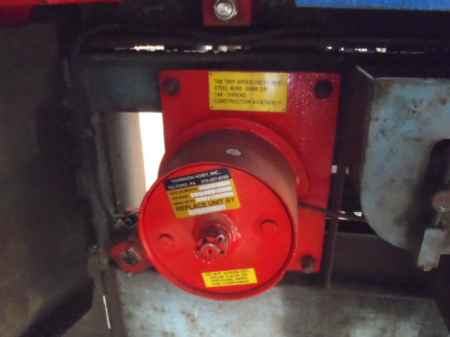
I just posted a picture in the gallery of the pit. Thank you for all your input.
Ken, I like the option but there is no way the customer will go for it. $$$
Silly, I remember we used bentonite powder as an oil absorbent back when I worked in the pyramids.
Uppo, thanks mate... The outside wall of the shaft is on the front of the building. There is a mulch bed with two AC coils surrounded by side walks.
Dan, the sees product is using gutters and weep holes. The gutters look like flashing caulked to the floor and wall.
Rollaway, I'll look up the product you are suggesting.
I'm researching another product as well. It's a bit of "thinking outside the box". So I'll let you all know just how bad the idea was later...
Almost forgot to mention this! This has been an on going water problem. I've had no help from their x-inspector in conveying the ramifications of not addressing the issue. Now we have to run a new line to the pistons. And we may have to replace the jack assemblies as well.
Last edited by jkh; 05/01/14 07:38 PM.
Make good choices,
JKH
|
|
|
|
|
Joined: Mar 2014
Posts: 215
enthusiast
|
|
enthusiast
Joined: Mar 2014
Posts: 215 |
Holy hell, thats a lot of water. I would, if the owner wanted US to do it mind you, try a combination approach. First drill some holes in the concrete, maybe 2-3 holes per side, and maybe 3-4 inches deep. Install drain tubes to help you find where the water is coming from. If you have reason to believe it is from the floor, do that as well. Then get the liquified bentonite and inject it into the holes with water running from it. DO NOT INJECT INTO THE DRY HOLES. Check your progress by coming back, maybe a week later, and see if the "dry" tubes now leak or not. This will let you know if you are chasing your tail or not. If you have substantial success with step one, feel free to inject into any remaining tubes, then finish with a skim coat of the xypex product. That was the skimcoat i was talking about, seeing the name jarred the old head around.
This exact process was dne up in seattle on a job that was actually below the canal water table, not 20 feet from our pits. Took the concrete fellas at least 4 weeks of work, usually allowing 3 days or so inbetween to chase it again. In talking with them he said he regretted not injecting into the walls sooner, he had tried, and failed, to skim for the first 10 days or so.
|
|
|
|
|
Joined: Aug 2011
Posts: 563
addict
|
|
addict
Joined: Aug 2011
Posts: 563 |
We commonly find that wet pits that have sump wells the wells are always at the highest point so the water pools away from the well. So the first trick we try is to drill holes in the sides and bottom of the sump wells. This gives the water a -place to drain at the lowest possible point. And its right where you want it. This works most of the time. If that doesn't work we then have gutters cut in the pit floor to direct the water to the sump well. Yes well I guess you should have a small gradient going towards the sump hole to fix that. Remember the sump is supposed to be a fix after a problem occurs not the solution to the original/acute problem.
|
|
|
|
|
Joined: Aug 2011
Posts: 563
addict
|
|
addict
Joined: Aug 2011
Posts: 563 |
Holy hell, thats a lot of water. I would, if the owner wanted US to do it mind you, try a combination approach. First drill some holes in the concrete, maybe 2-3 holes per side, and maybe 3-4 inches deep. Install drain tubes to help you find where the water is coming from. If you have reason to believe it is from the floor, do that as well. Then get the liquified bentonite and inject it into the holes with water running from it. DO NOT INJECT INTO THE DRY HOLES. Check your progress by coming back, maybe a week later, and see if the "dry" tubes now leak or not. This will let you know if you are chasing your tail or not. If you have substantial success with step one, feel free to inject into any remaining tubes, then finish with a skim coat of the xypex product. That was the skimcoat i was talking about, seeing the name jarred the old head around.
This exact process was dne up in seattle on a job that was actually below the canal water table, not 20 feet from our pits. Took the concrete fellas at least 4 weeks of work, usually allowing 3 days or so inbetween to chase it again. In talking with them he said he regretted not injecting into the walls sooner, he had tried, and failed, to skim for the first 10 days or so. Good idea. Just on the drain tubes, do you mean leave as just drilled holes or actually putting some tubing maybe pvc conduit into the holes then remove them when filling with the product?
|
|
|
|
|
Joined: Mar 2014
Posts: 215
enthusiast
|
|
enthusiast
Joined: Mar 2014
Posts: 215 |
They installed an actual flexible tube, just like the typical tubes for our jacks. When the water returns it makes locating the exact area of the problem easy, vs. coming back and simply seeing wet concrete again. They were using a 3/8 clear plastic tube, cut at maybe 6 inches past the concrete, so overall 9-10 inches depending on depth of hole.
|
|
|
|
|
Joined: Aug 2011
Posts: 563
addict
|
|
addict
Joined: Aug 2011
Posts: 563 |
They installed an actual flexible tube, just like the typical tubes for our jacks. When the water returns it makes locating the exact area of the problem easy, vs. coming back and simply seeing wet concrete again. They were using a 3/8 clear plastic tube, cut at maybe 6 inches past the concrete, so overall 9-10 inches depending on depth of hole. yep mate just like I thought. Put a bucket underneath the tube on the floor for testing purposes. Good Idea I think.
|
|
|
|
|
|
|
|
|
HW PM
by Chris, January 13
|
|
|
|
|
|
|
|
|
|