The term "broke traction" is used to describe when the elevator hoist ropes slip on the driving sheave. This typically happens as a result of poor maintenance, poor engineering design and overloading.
It will happen with counter weighted traction elevators that are lightly loaded at the top floor causing the car to drift into the overhead and counter weighted overloaded traction elevators at the bottom floor causing the car to drift into the buffers.
George Gibson has a DVD available from elevator world book store that describes in great detail about the physics and math about this.
The building owner is to blame here because it is their building. As building owners and managers move to the "cheaper is better" paradigm, it causes them to neglect principals that are known and have been known for many years. (Thank you Sir Issac Newton Jr.) It's making a tidy little niche market for under employed attorneys to shake down the building owners and their insurance providers for such ignorance. For some reason the people who overloaded the lift are seen as exempt from the part they played by obviously overloading the elevator.
It is most likely that the lift failed to stop and continued to drift to the pit from the terminal floor. It would most likely have been traveling at rated speed or less when broke traction and struck the buffers. In some extreme cases, it could happen when the load is put on the lift.
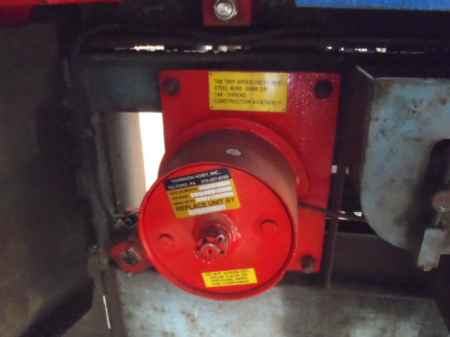
Hollister Whitney has a great product that can mitigate such incidents. It's called the rope gripper and prevents unintended movement of the car.
Will the owner put one in after the horse has left the barn? Please keep us posted.
Respectfully Submitted.