|
|
|
0 members (),
23
guests, and
4
robots. |
|
Key:
Admin,
Global Mod,
Mod
|
|
|
S |
M |
T |
W |
T |
F |
S |
|
|
|
1
|
2
|
3
|
4
|
5
|
|
6
|
7
|
8
|
9
|
10
|
11
|
12
|
|
13
|
14
|
15
|
16
|
17
|
18
|
19
|
|
20
|
21
|
22
|
23
|
24
|
25
|
26
|
|
27
|
28
|
29
|
30
|
|
|
|
|
|
Forums13
Topics7,385
Posts40,945
Members10,040
| |
Most Online3,137
Apr 9th, 2026
|
|
|
|
Joined: Aug 2014
Posts: 106
member
|
|
member
Joined: Aug 2014
Posts: 106 |
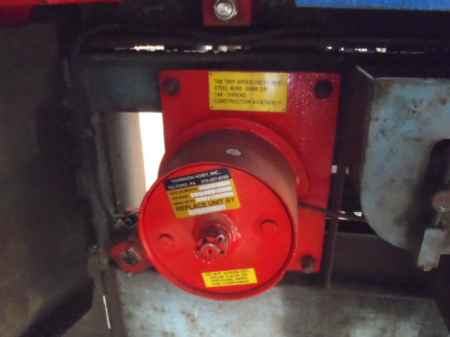
Anybody have experience of setting the safetys on inclinator residential units for cat 1 tests ? I have taken several on ...two roped hydro two stops and one 3 stop double drum drive . Have had the hydros for a while but not had to do cat one testing until now as the AHJ didn't require it until recently ( I tested relief pressure etc.. For my piece of mind ) .
I have been told the best way of doing it is with a bottle jack sat on a piece of timber , Hand lower onto jack , jack it up 12 inches then using a tag line from outside the shaft yank the wood away . Anyone done it like this ? How did it work out ? Would the same process work on the drum drive unit ? ( guess you would have to hand crank it back up off the safetys after ) . This may seem an obvious question for some of you guys but funnily enough after nearly thirty years in the industry I have never had to do safety gear test on a residential until now !
Thanks in advance
|
|
|
|
|
Joined: Dec 2009
Posts: 644
addict
|
|
addict
Joined: Dec 2009
Posts: 644 |
That is generally the way it is done. Same for the drum unit.
Yes, have to hand crank it up, obviously make sure the ropes stay in their grooves.
Sounds like you got it figured out.
Come to think of it, we have a counter weighted drum Otis machine that we just took over. How is this done? Might have to have a winch to pull out the timber for it?
|
|
|
|
|
Joined: Aug 2014
Posts: 106
member
|
|
member
Joined: Aug 2014
Posts: 106 |
Thanks solid state. A counter weighted drum drive ? Was someone in R and D bored on a Friday afternoon ?
|
|
|
|
|
Joined: May 2011
Posts: 338
Mechanic
|
|
Mechanic
Joined: May 2011
Posts: 338 |
To make things safer on the roped hydro wheel chair lifts and LULA/Home lifts, we use the extra high bottle jacks that are used on engine hoists/cherry pickers. That way your not trying to balance a piece of timber. We then cut a piece of small channel iron to span the bottom of the platform with a nipple welded on it to fit over the top of the bottle jack's piston to keep it from falling off. You then just jack up the bottle jack 5-10" manually lower the car on top the channel and open the valve up on the bottle jack so you can control the rate at which it drops. This also prevents you from sending a timber through the customers dry wall lol. You can buy the extra tall bottle jacks from grainger and fully collapsed there about 2 feet tall, perfect for doing these tests. https://www.grainger.com/category/hydrau.../ecatalog/N-cuo
Last edited by ABE; 02/28/17 02:25 PM.
|
|
|
|
|
Joined: Dec 2009
Posts: 644
addict
|
|
addict
Joined: Dec 2009
Posts: 644 |
We have tried that before, but the jacks descent would not go fast enough to set the mechanisms. I assume that the one you are speaking about does not have that problem?
|
|
|
|
|
Joined: May 2011
Posts: 338
Mechanic
|
|
Mechanic
Joined: May 2011
Posts: 338 |
Almost all the ones we test have slack cable safeties, so speed has never been an issue. Assuming when you manually lower the car you get enough slack in the cables, the safeties should set right away. If you don't get enough slack in the cables it will not set for the test.
|
|
|
|
|
Joined: Aug 2014
Posts: 106
member
|
|
member
Joined: Aug 2014
Posts: 106 |
It certainly sounds a bit more of a controlled way of doing it . I believe Inclinator has the slack rope safety so yes in theory if you lift them enough to engage then the speed of the descent afterwards is immaterial and has the advantage of being more controlled and this less stressful on the equipment.
Thanks for the input guys .
|
|
|
|
|
|
|
|
|
HW PM
by Chris, January 13
|
|
|
|
|
|
|
|
|
|
|
|